

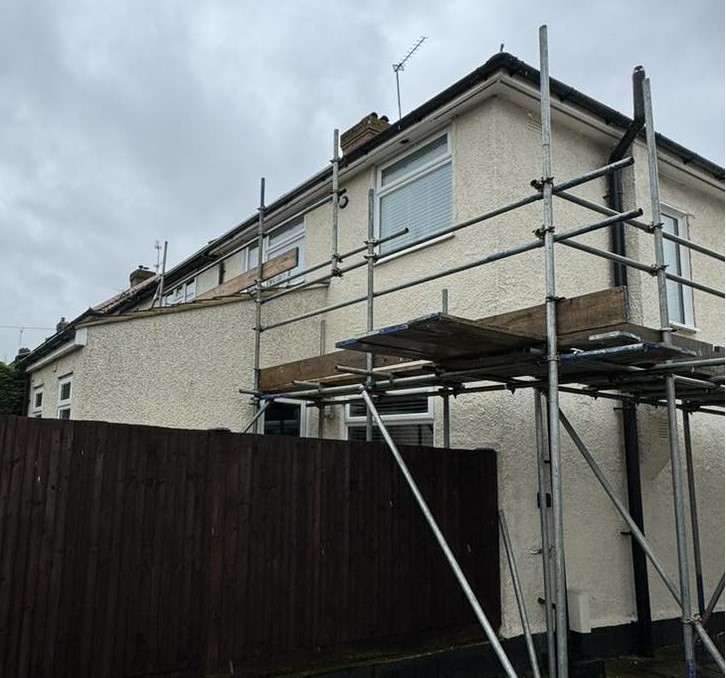
Pebbledash, once a popular exterior finish, has become a source of frustration for many homeowners. Whether you’re dealing with its outdated appearance or the challenges it presents in maintaining your property’s aesthetic, removing pebbledash can be a transformative step.
In this guide, we’ll walk you through everything you need to know about pebbledash removal—from understanding what pebbledash is, to the process, costs involved, and the benefits of restoring your home’s original beauty.
If you’re considering this project, Prestige Property Solutions is here to guide you every step of the way, ensuring a seamless experience.
Pebbledash is a type of exterior wall finish that involves applying a mixture of cement or lime plaster to a wall and then embedding small pebbles or gravel into the wet surface. This method was particularly popular in the UK during the early to mid-20th century as it provided a durable and weather-resistant coating that was relatively easy to apply.
The rough texture of pebbledash made it an effective solution for covering up imperfections in the underlying brickwork, which contributed to its widespread use on homes across the country.
However, while pebbledash served a practical purpose in the past, its aesthetic appeal has significantly diminished over time. What was once seen as a protective and low-maintenance option is now often viewed as outdated and unattractive.
In many cases, homeowners are looking to remove this finish to either restore the original brickwork or apply a more modern render that better suits today’s architectural styles.

Removing pebbledash can bring a range of benefits, both aesthetic and practical, to your property. One of the most immediate advantages is the visual transformation. By stripping away the outdated pebbledash, you have the opportunity to reveal the original brickwork or apply a fresh, modern render that complements contemporary architectural styles. This can significantly enhance your home’s curb appeal, making it more attractive to potential buyers if you ever decide to sell.
Beyond aesthetics, removing pebbledash can also improve the health of your property. As mentioned earlier, pebbledash can trap moisture, leading to damp issues. Once removed, the underlying brickwork or new render can breathe more effectively, reducing the risk of moisture-related problems. This not only helps in maintaining the structural integrity of your home but also creates a healthier living environment by reducing the chances of mould and mildew development.
Lastly, the removal of pebbledash allows for better insulation options. Modern rendering systems can incorporate insulating layers that improve your home’s energy efficiency, keeping it warmer in winter and cooler in summer, and potentially lowering your energy bills.
Removing pebbledash is a delicate and labour-intensive process that requires careful planning and execution to avoid damaging the underlying structure of your home. The first step in the process is to assess the condition of the pebbledash and the brickwork beneath it. This assessment helps determine the best removal method and whether any additional repairs will be necessary once the pebbledash is removed.
Once the assessment is complete, the next step is to prepare the area. This involves protecting windows, doors, and any other vulnerable areas to prevent debris from causing damage. The work area should be covered with dust sheets, and scaffolding may be erected to provide safe access to all parts of the exterior wall.
The actual removal process begins with carefully chipping away the pebbledash using hand tools or, in some cases, specialised machinery. The key is to work methodically and gently to avoid damaging the underlying brickwork. In instances where the pebbledash has bonded strongly to the bricks, more advanced techniques, such as chemical softening or thermal methods, may be employed.
After the pebbledash has been successfully removed, the exposed surface is cleaned and any necessary repairs to the brickwork are carried out. This might involve repointing the mortar joints or replacing damaged bricks. Once the surface is restored, you can decide whether to leave the brickwork exposed or apply a new render.
When it comes to removing pebbledash, homeowners face a choice between tackling the project themselves or hiring a professional. Both options have their advantages and potential drawbacks, depending on your level of experience, the condition of your home, and the tools available.
Opting for DIY pebbledash removal might seem like a cost-effective solution, particularly if you have some experience with home improvement projects. However, it’s important to recognise the challenges involved. Pebbledash removal is a physically demanding task that requires precision and patience. Without the right tools and techniques, there’s a risk of causing more harm than good, which could lead to costly repairs down the line. Additionally, the process can be time-consuming, especially if you’re unfamiliar with the methods required to remove the render effectively.
On the other hand, hiring a professional ensures that the job is done efficiently and to a high standard. Experienced contractors, like those at Prestige Property Solutions, have the necessary skills and equipment to safely remove pebbledash while preserving the integrity of your home’s exterior. Professionals can also handle any unexpected issues that may arise during the process, such as hidden damage beneath the pebbledash, and can offer advice on the best finish for your property once the removal is complete. While this option may involve a higher upfront cost, it can ultimately save you time, stress, and the potential expense of fixing mistakes.
The cost of removing pebbledash from your home can vary significantly depending on several factors. Understanding these factors will help you better estimate the overall expense and plan your budget accordingly.
One of the primary factors influencing cost is the size of the house. Larger properties naturally require more labour and time to remove pebbledash from all exterior walls, which can drive up the price. Additionally, multi-storey homes might necessitate more extensive scaffolding, adding to the overall cost.
Another important factor is whether you choose to re-render or restore the brick façade after the pebbledash is removed. If the underlying brickwork is in good condition and you prefer to leave it exposed, you may only need to invest in cleaning and minor repairs. However, if the brickwork is damaged or you prefer a smooth, modern finish, re-rendering will be necessary. The type of render you select—whether it’s cement, polymer, silicone, or monocouche—will also impact the cost.
Scaffolding and access to the property are additional considerations. If your home is located in an area with difficult access, such as a narrow street or a property surrounded by other buildings, this could complicate the removal process and increase costs. Scaffolding is often required to safely reach higher areas of the property, and this too will contribute to the overall expense.
Skip hire for the removal of debris is another factor. The amount of waste generated by pebbledash removal can be considerable, and hiring a skip ensures that the site is kept clean and safe. This service is typically included in the overall cost, but it’s something to confirm with your contractor.
Finally, you should consider the cost of exterior painting if you plan to paint the surface after the pebbledash is removed and the walls are re-rendered. This is an additional expense but one that can dramatically improve the appearance of your home.
The total cost of removing pebbledash and re-rendering your home can vary depending on the scope of the project and the choices you make regarding materials and finishes. All prices are quoted once the job has been looked at. The price typically includes labour, tools, and waste disposal but can fluctuate based on the complexity of the job and regional differences.
Once the pebbledash has been removed, the decision to re-render or restore the underlying brickwork will further impact the cost. Re-rendering with a traditional cement render is usually the most economical option, but it requires regular maintenance and may not offer the same longevity as modern alternatives. Polymer, silicone, and monocouche renders are more expensive upfront, but they offer enhanced durability, lower maintenance, and improved insulation properties.
The condition of the brickwork beneath the pebbledash also plays a role in the final cost. If the bricks are in poor condition, additional expenses for repairs, such as repointing or replacing damaged bricks, should be anticipated. These repairs are essential to ensure that the new render or exposed brick façade is both aesthetically pleasing and structurally sound.
Labour costs can also vary depending on the contractor’s experience and reputation. While it might be tempting to opt for the cheapest quote, investing in a reputable company like Prestige Property Solutions ensures the work is completed to the highest standard, with minimal risk of costly mistakes.


Once the pebbledash has been removed, you’ll need to decide how to finish your home’s exterior. Re-rendering is a popular choice, offering a range of options to suit different styles and budgets. Each type of render has its own benefits and can significantly impact the appearance and performance of your property.
Cement rendering is the most traditional and cost-effective option. It’s a durable choice that can give your home a clean, smooth finish. However, cement render requires regular maintenance to prevent cracking and to maintain its appearance over time. While it’s the least expensive option, it may not be the most long-lasting, especially in areas exposed to harsh weather.
Polymer rendering offers a more flexible and durable alternative to cement render. This type of render includes polymers in its mix, which helps it resist cracking and adapt to the movement of the building. Polymer render is available in a variety of colours and finishes, providing more design flexibility without the need for frequent repainting.
Silicone rendering is known for its self-cleaning properties, making it a low-maintenance choice. It repels dirt and organic growth, keeping your home looking fresh for longer. Silicone render is also breathable, allowing moisture to escape from the underlying walls, which is beneficial for preventing damp issues. Although it is more expensive than cement and polymer renders, its longevity and ease of maintenance make it a worthwhile investment.
Monocouche rendering is a modern, single-layer rendering solution that combines ease of application with excellent durability. It’s available in a wide range of colours and finishes, often eliminating the need for additional painting. Monocouche render also provides good insulation properties, helping to improve your home’s energy efficiency. While it is one of the more expensive options, it’s valued for its aesthetic appeal and low maintenance requirements.

For homeowners who prefer to reveal and celebrate the original architecture of their property, restoring and repointing the brick façade is an attractive alternative to re-rendering. This process involves cleaning the exposed brickwork after pebbledash removal and carrying out necessary repairs.
The first step in restoring the brick façade is to clean the bricks thoroughly. Over time, bricks can accumulate dirt, grime, and remnants of the pebbledash, which can detract from their natural beauty. Professional cleaning techniques, such as sandblasting or chemical cleaning, are often employed to restore the bricks to their original condition without causing damage.
Once the brickwork is cleaned, the next step is repointing, which involves renewing the mortar joints between the bricks. Repointing is essential not only for the appearance of the façade but also for the structural integrity of the wall. Over time, mortar can degrade, leading to gaps that allow moisture to penetrate, potentially causing damage. Using a matching mortar, particularly a lime-based one, helps preserve the historical character of the building while ensuring that the wall remains weatherproof.
Restoring the brick façade can give your home a timeless and authentic look that highlights its original craftsmanship. It also offers the benefit of being a low-maintenance solution, as well-maintained brickwork requires less upkeep than some modern renders. However, it’s important to note that not all brickwork may be suitable for exposure, especially if it has been
Deciding whether to remove pebbledash from your property is a significant decision that involves weighing both the aesthetic and practical benefits against the costs and potential challenges. For many homeowners, the appeal of a fresh, modernised exterior or the restoration of beautiful, original brickwork makes the process worthwhile.
Pebbledash removal can dramatically enhance the look of your home, boost its market value, and resolve common issues like dampness or maintenance difficulties associated with ageing render.
However, the decision to remove pebbledash should not be taken lightly. It’s important to consider the condition of the underlying brickwork and whether you are prepared for the potential need for repairs or re-rendering.
Ultimately, if your pebbledash is causing structural or aesthetic problems, or if you simply want to refresh the appearance of your home, removal is a strong option to consider. Working with the team at Prestige Property Solutions ensures the job is done efficiently, with attention to detail and minimal disruption, giving you peace of mind throughout the process.
In summary, while the decision to remove pebbledash comes with considerations, the long-term benefits—both in terms of home value and quality of living—often make it a worthwhile investment. Give us a call today to get a quote.
