

Damp can be a serious issue for homeowners, leading to unsightly marks, unpleasant odours, and even structural damage if left untreated. Understanding the best method of damp proofing is essential to protecting your home from these potential problems.
In this guide, we’ll explore the causes of damp, how to diagnose it, and the most effective solutions available. By the end, you’ll have a clear idea of the best approach to keeping your property dry and secure.
Damp is more than just an inconvenience; it can lead to significant damage if not properly addressed. To effectively combat damp, it’s crucial to understand its root causes and the different forms it can take. Damp generally manifests in three main types: rising damp, penetrating damp, and condensation. Each type has distinct characteristics and requires specific treatment methods.
Damp can enter your home through various pathways, each linked to specific environmental conditions or structural issues. The key to effective damp proofing lies in understanding these causes, as different types of damp arise from different sources. Moisture can infiltrate your home from the ground up, through the walls, or even from within the property due to poor ventilation. Identifying the specific cause is the first step in determining the most effective solution.
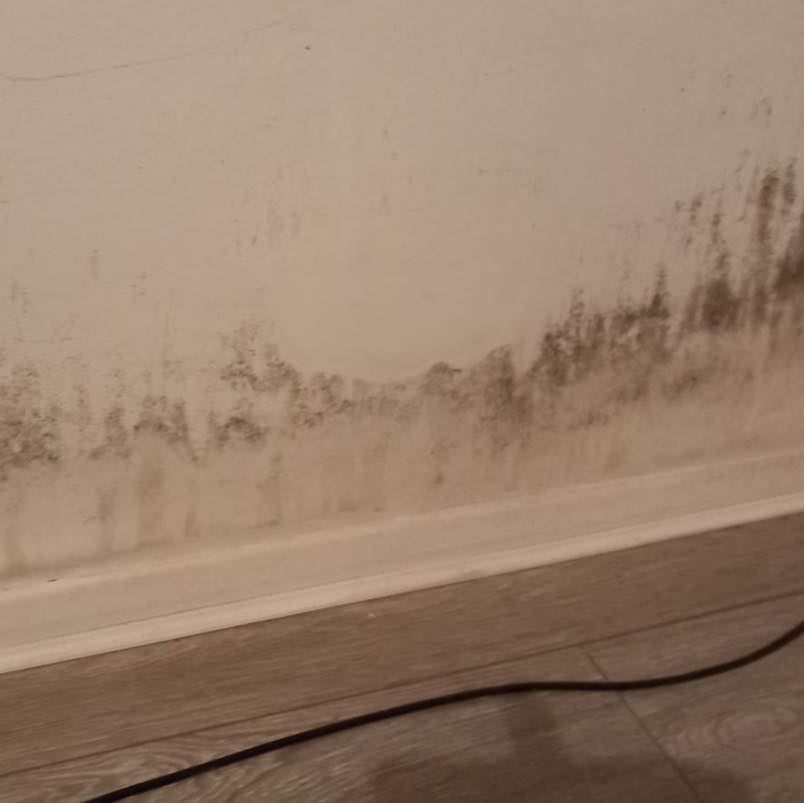
Rising damp occurs when moisture from the ground travels upwards through the walls of your property. This type of damp is often the result of a failed or non-existent damp-proof course (DPC), a barrier installed at the base of walls to prevent water from rising.
Signs of rising damp include tide marks on walls, peeling paint, and damaged skirting boards. It’s particularly common in older buildings where the original DPC may have deteriorated over time.
Penetrating damp occurs when water enters your home through external walls, typically due to structural issues like damaged brickwork, faulty gutters, or leaky roofs. Unlike rising damp, which moves vertically, penetrating damp travels horizontally through walls, ceilings, and floors.
This type of damp is usually more noticeable after heavy rainfall and can lead to damp patches on walls, mould growth, and a musty smell. Penetrating damp is often more localised, affecting specific areas where the building’s exterior has been compromised.
Condensation is the most common form of damp, typically resulting from everyday activities like cooking, bathing, or drying clothes indoors. When warm, moist air comes into contact with cooler surfaces such as walls or windows, it condenses into water droplets. Over time, this can lead to mould growth, particularly in areas with poor ventilation.
Unlike rising and penetrating damp, which are caused by external factors, condensation is an internal issue, often exacerbated by modern living habits and insufficient airflow.
Accurately diagnosing damp in your home is crucial before implementing any treatment. Each type of damp—rising, penetrating, and condensation—requires a different approach, so correctly identifying the source is the first step toward an effective solution.
Diagnosis involves observing the symptoms of damp, understanding their patterns, and sometimes conducting more detailed inspections, particularly if structural issues are suspected.
To effectively treat damp, pinpointing the root cause is essential. Start by observing the location and extent of the damp patches. For instance, rising damp typically appears at the lower levels of walls, with clear tide marks, while penetrating damp is often found higher up or around windows, where external water may be entering. Condensation usually manifests on colder surfaces, such as windows or in corners, and is often accompanied by mould.
If the damp is persistent or widespread, it may be worth consulting a professional for a more thorough assessment. Understanding the specific cause of the damp in your home will guide you in selecting the most appropriate treatment method.
Recognising the early signs of damp can save you from more significant problems down the line. Common indicators include discoloured or peeling paint, the appearance of mould or mildew, and a musty odour in certain areas of your home.
You might also notice warped or damaged skirting boards and flooring, particularly in the case of rising damp. Penetrating damp often results in damp patches that worsen after rain, while condensation typically leaves water droplets on windows or cold surfaces, leading to black mould growth in corners and around windows.
Spotting these signs early allows you to take action before the damp becomes a more severe issue.
Once you’ve identified the type and cause of damp in your home, the next step is to choose the most effective damp proofing solution. Different types of damp require different approaches, and selecting the right method is crucial to ensuring long-term protection for your property. From installing a damp-proof course to improving ventilation, there are several strategies available to tackle the problem at its source.
A damp-proof course (DPC) is a barrier installed within the walls of your property to prevent moisture from the ground rising up through the structure. It’s a common and effective solution for addressing rising damp. Typically made from materials like plastic or bitumen, the DPC is placed at least 150mm above ground level, creating a physical barrier that stops moisture from moving upward. In older homes, the original DPC may have deteriorated or been damaged, making it necessary to install a new one.
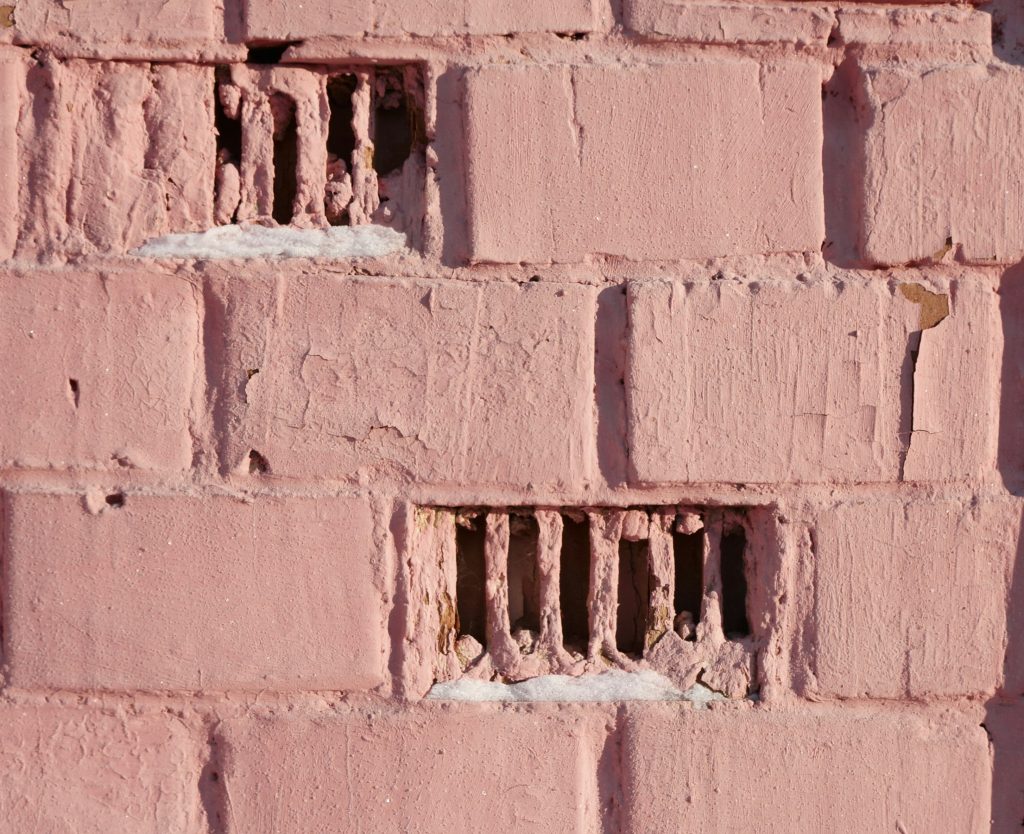
External damp proofing is a crucial defence against penetrating damp, which occurs when water infiltrates your home through the walls or roof. This method involves treating the exterior of your property to prevent moisture from getting inside. Techniques include applying waterproof coatings or sealants to the external walls, repairing or replacing damaged brickwork, and ensuring that gutters and downpipes are functioning properly to direct water away from the building.
External damp proofing is often considered one of the most effective ways to protect your home because it tackles the problem at its source—preventing water from entering the structure in the first place. This method is especially important in areas exposed to heavy rainfall or where the building’s exterior is susceptible to damage.
Damp-proof membranes and tanking slurry offer additional layers of protection against moisture, particularly in areas prone to damp, such as basements or lower ground floors. A damp-proof membrane is a sheet of impermeable material applied to walls or floors to prevent moisture from penetrating the interior surfaces. This method is often used in conjunction with a damp-proof course to provide comprehensive protection.
Tanking slurry, on the other hand, is a waterproof coating that can be applied directly to internal walls. It works by creating a barrier that stops water from entering, making it particularly effective in below-ground spaces where moisture is more prevalent. When applied correctly, tanking slurry can transform damp-prone areas into dry, usable spaces.
Improving ventilation is one of the most effective ways to manage condensation-related damp. Proper airflow helps to reduce moisture levels inside your home, preventing condensation from forming on walls, windows, and other surfaces. This can be achieved by installing extractor fans in kitchens and bathrooms, opening windows regularly, and ensuring that air can circulate freely throughout your home. Additionally, trickle vents on windows can provide a constant flow of fresh air without the need to open windows fully.
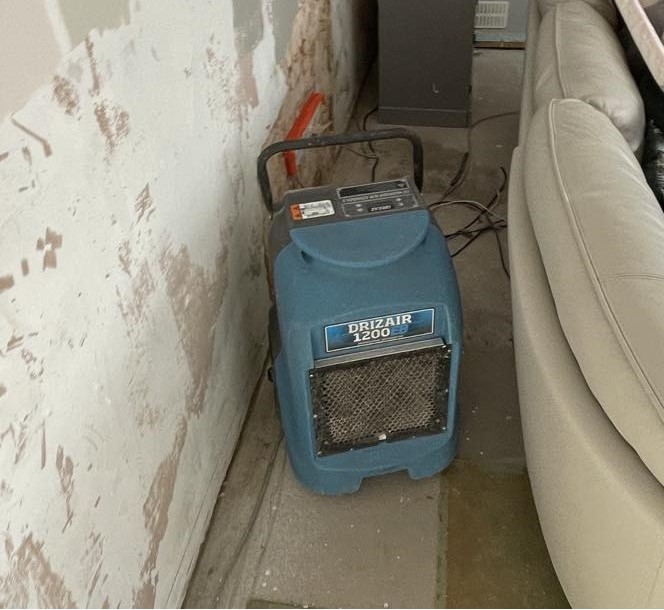
Dehumidifiers are another useful tool in the fight against condensation. These devices extract excess moisture from the air, reducing the likelihood of damp and mould growth. They are particularly effective in areas that are naturally prone to high humidity, such as basements or poorly ventilated rooms.
While improving ventilation is the most sustainable solution, using a dehumidifier can offer quick relief and help maintain a comfortable indoor environment.
Knowing when to call in a professional for damp proofing is crucial for addressing more complex or severe damp issues. If you encounter persistent damp problems despite DIY efforts, or if the damp is widespread and affects multiple areas of your home, it’s time to seek expert help.
Professionals can provide a thorough assessment, identify the root cause accurately, and recommend the most effective treatment solutions.
Additionally, if the damp is associated with structural issues, such as failing gutters, compromised foundations, or extensive damage, professional expertise is essential. Specialists have the tools and knowledge to handle intricate repairs and ensure that the damp proofing methods applied are both effective and compliant with building regulations.
Choosing the best damp proofing method for your home involves understanding the type of damp you’re dealing with and selecting the most appropriate solution based on that diagnosis. Whether you opt for installing a damp-proof course, applying damp-proof membranes, or improving ventilation, each method serves a specific purpose in combating moisture problems.
For minor issues, DIY solutions like damp-proof paints and dehumidifiers might suffice, but for more significant or persistent problems, professional help ensures that the root cause is effectively addressed.
If you need expert assistance with damp proofing, Prestige Property Solutions is here to help. Our team is skilled in diagnosing and treating all types of damp issues with precision and care, ensuring that your property remains dry and secure.
